
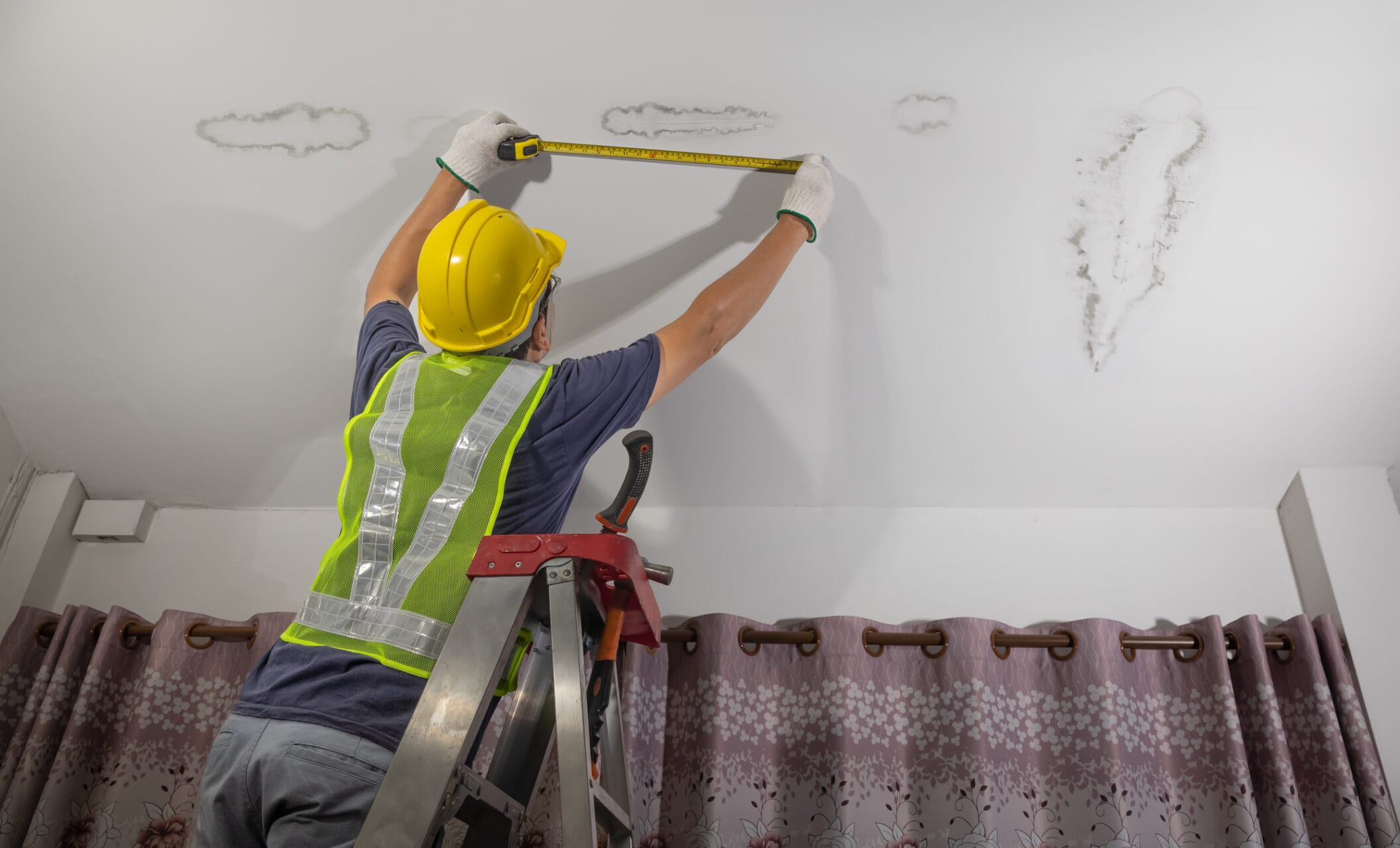

When water gets into a home, most people think first about the visible damage: wet floors, stained ceilings, soaked carpet, or water around cabinets and baseboards. Those problems matter, but there’s another concern that can develop quickly if the structure isn’t dried properly: mold.
After a water damage event, homeowners often want to know how quickly mold can start growing and what they should do next. That’s why understanding how fast mold can grow after water damage is important, especially in Tennessee homes where humidity can make drying more difficult.
In the right conditions, mold can begin developing within 24 to 48 hours. That doesn’t mean every leak or flood automatically turns into a mold problem, but it does mean time matters. The longer building materials stay wet, the greater the chance of mold growth after water damage.
Why Mold Can Start So Quickly
Mold needs moisture, organic material, and the right environment to grow. Unfortunately, many common building materials provide exactly what mold needs once they get wet. Drywall, wood framing, subflooring, carpet backing, insulation, trim, and cabinets can all hold moisture.
That’s one reason how fast mold can grow after water damage depends on more than what you can see. Water can travel behind walls, under flooring, into crawlspaces, and beneath cabinets. A room may look mostly dry while materials underneath are still holding moisture.
Tennessee’s warm, humid weather can make this more challenging. If indoor humidity stays high after a water loss, wet materials may dry slowly. That creates the kind of damp environment where mold can start to develop.
The First 24 to 48 Hours Matter
The first day or two after water damage is an important window. Standing water should be removed quickly, affected areas should be inspected, and drying should begin as soon as possible. In many cases, towels, household fans, or a shop vacuum aren’t enough to fully dry the structure.
Professional water damage mitigation may include water extraction, moisture readings, dehumidifiers, air movers, containment when needed, and follow-up monitoring. The goal isn’t just to make the surface look dry. The goal is to dry the affected materials correctly and reduce the chance of secondary damage.
Action Restoration’s insurance guide recommends contacting a professional as soon as possible for emergency mitigation. It explains that the faster water or soot is removed, the less damage will occur, and that drying equipment may be needed to reduce humidity in the structure and lower the chance of secondary damage.
This is where homeowners sometimes run into trouble. A leak may seem minor at first, so cleanup gets delayed. By the time musty odors or staining show up, the water may have already affected materials that weren’t visible.
What “Dry” Really Means After Water Damage
One of the biggest misunderstandings after water damage is the difference between surface dry and structurally dry.
A floor can feel dry to the touch while moisture remains underneath. A wall can look normal while the cavity behind it is damp. Cabinets can seem fine on the outside while water is trapped at the base or behind them.
That’s why knowing how fast mold can grow after water damage is only part of the issue. The bigger question is whether the affected materials were dried thoroughly enough within that early window.
Professional restoration crews use moisture meters and drying equipment to help determine what’s wet, how far the water traveled, and whether materials are drying as expected. Without those checks, it’s easy to miss hidden moisture.
Signs Mold May Be Starting After Water Damage
Mold isn’t always obvious right away. Sometimes the first signs are small changes in the home. After a leak, flood, roof issue, sewage backup, or storm-related water intrusion, watch for:
- A musty or earthy smell
- Staining on walls, ceilings, or trim
- Peeling paint or bubbling drywall
- Warped flooring
- Damp carpet or padding
- Discoloration near baseboards
- Soft drywall or swollen trim
- Ongoing indoor humidity
- Allergy-like symptoms that seem worse inside
These signs don’t always mean there’s a major mold problem, but they shouldn’t be ignored. If materials were wet for more than 24 to 48 hours, or if you’re not sure how far the water traveled, it’s worth having the area inspected.
How Quickly Mold Grows in a Wet House
A common question after a water loss is how quickly mold grows in a wet house. The answer depends on several factors, including the amount of water, the type of materials affected, indoor humidity, temperature, airflow, and how soon drying begins.
A small clean-water leak that’s found right away and properly dried may not lead to mold. A larger loss that affects walls, flooring, cabinets, or insulation can create a much higher risk, especially if water sits for a day or two before mitigation begins.
That’s why how fast mold can grow after water damage isn’t just about timing. It’s also a drying question. If the moisture source is stopped quickly and the structure is dried properly, the risk is much lower. If moisture remains hidden, mold has a better chance to grow.
What Homeowners Should Do Right Away
After water damage, start with safety. Don’t enter standing water if there may be electrical hazards. Avoid contact with sewage or contaminated water. If the water source is still active and it’s safe to do so, shut it off.
Next, document the damage. Take photos and videos before moving items or beginning cleanup. Action Restoration’s insurance guide recommends documenting as much as possible, including damaged contents, because insurance companies may need photos, values, and details before items are discarded.
Then contact a restoration professional for mitigation. Fast water removal and proper drying can help limit damage, protect the structure, and reduce the chance of mold growth after water damage.
What If Mold Is Already Present?
If mold has already started to grow, the process changes. Mold remediation may require containment, air filtration, removal of affected porous materials, cleaning of salvageable surfaces, and proper disposal procedures.
The goal isn’t just to wipe away what’s visible. The moisture source must be addressed, affected materials handled safely, and the area properly restored. Cutting corners can leave moisture or contamination behind, creating more problems later.
This is another reason how fast mold can grow after water damage matters. Waiting too long can turn a straightforward water mitigation job into a more involved mold remediation and reconstruction project.
Why Tennessee Homes Need Quick Drying
Middle Tennessee homes deal with heavy rain, summer humidity, roof leaks, plumbing failures, crawlspace moisture, and storm damage. Those conditions can make water damage more complicated, especially in older homes, homes with crawlspaces, finished basements, or areas with limited airflow.
Humidity can slow the drying process. Water can settle into hidden spaces. Materials may hold moisture longer than expected. That’s why professional drying equipment and moisture monitoring are so important after a water loss.
For homeowners, the main takeaway is simple: don’t rely on appearance alone. If water reached building materials, especially drywall, flooring, cabinets, insulation, or trim, it’s best to confirm that the area is drying correctly.
Insurance Documentation Can Help Reduce Confusion
Water damage is stressful, and the insurance process can add another layer of confusion. Good documentation helps.
Photos, moisture readings, drying logs, equipment records, and repair estimates can help show what happened, what was affected, and what work was performed. Action Restoration’s guide notes that once a claim has been filed, the restoration company can communicate with the insurance adjuster and provide updates, billing summaries, and photos when claim information is available.
Good documentation doesn’t guarantee coverage, but it can make the process clearer for the homeowner, the restoration team, and the insurance carrier.
The Bottom Line
In the right conditions, mold can begin developing within 24 to 48 hours. The sooner water is removed and affected materials are dried properly, the better chance you have of limiting damage and avoiding a larger mold issue.
If your Tennessee home has water damage, don’t wait to see if the problem gets worse. Document the damage, avoid unsafe areas, and have the affected spaces inspected and dried correctly.
Action Restoration provides water damage mitigation, structural drying, mold remediation, storm damage cleanup, sewage cleanup, odor removal, and reconstruction for homes and businesses across Middle Tennessee.