
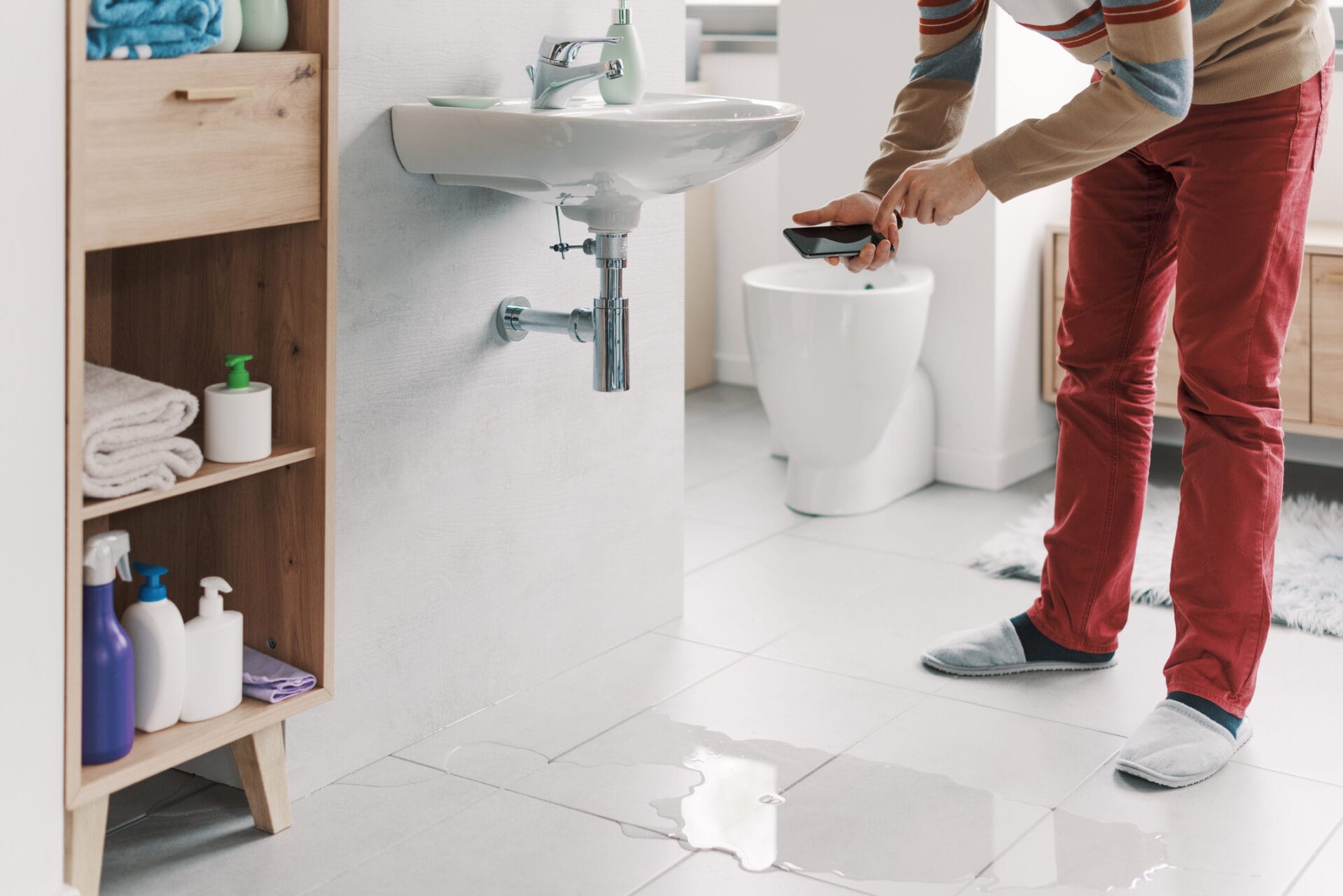

After water, fire, storm, or sewage damage, one of the first things homeowners want to do is start cleaning up. That makes sense. Nobody wants ruined flooring, soaked furniture, smoky belongings, or damaged boxes sitting around the house.
But before anything gets hauled to the curb, take a breath and grab your phone.
When it comes to documenting damaged property for insurance, photos matter. A lot. They help show what happened, what was damaged, and what may need to be cleaned, repaired, or replaced.
The goal is not to make the process harder. It is to protect you from having to explain everything from memory later.
Why Photos Matter After Home Damage
Insurance companies need documentation. That usually includes photos, details about the damaged items, and information about the cause and extent of the damage.
Action Restoration’s insurance guide recommends taking photos of damage to your home, business, and contents before throwing anything away. It also notes that your insurance company may want to inspect contents before they are discarded.
In plain English: do not toss first and explain later.
If a sofa, rug, dresser, appliance, box of keepsakes, or part of the home itself is damaged, take clear photos before moving it out. Even if the item seems obviously ruined, photos can help support your claim.
Start With Wide Photos of the Room
Before taking close-ups, step back and take wide photos of each affected room.
Get pictures from multiple angles so the adjuster can see the full area. This helps show where the damage happened and how much of the space was affected.
For example, if water came from an upstairs bathroom and damaged the ceiling, walls, and flooring below, take photos of the bathroom, the affected ceiling, the walls, the flooring, and anything underneath that was damaged.
These wide shots help tell the full story.
Take Close-Up Photos of Damaged Items
Once you have room photos, move closer.
Take clear photos of each damaged item before throwing it away. This may include:
Furniture, rugs, mattresses, electronics, appliances, clothing, toys, tools, business equipment, stored boxes, books, documents, and personal belongings.
When documenting damaged property for insurance, try to capture the actual damage. Show water stains, swelling, warping, soot, smoke residue, mold-like growth, sewage contamination, broken materials, or anything else that shows why the item cannot be saved.
A blurry photo from across the room may not be enough. Get close enough that the damage is easy to see.
Photograph Labels, Brands, and Model Numbers
This is one people often forget.
If an item has a label, brand name, serial number, model number, size tag, or product sticker, photograph that too. This can help with replacement value and item identification.
For appliances and electronics, check the back, sides, inside the door, or the underside of the unit. For furniture, look underneath cushions or on the bottom of the piece. For clothing, take photos of tags when it makes sense.
It may feel like overkill in the moment, but these details can be helpful later when your insurance company asks for more information.
Don't Forget Contents Inside Cabinets, Closets, and Storage Areas
Damage does not always stop in the obvious places.
Water can run under cabinets. Smoke can get into closets. Storm damage can soak attic storage. Sewage backups can affect lower shelves and boxes before you even realize how far it spread.
Open cabinets, closets, drawers, and storage areas and photograph what was affected. If the boxes were damaged, take photos of the outside of each box and its contents.
This is especially important for basements, garages, utility rooms, attics, and storage closets where items may not be checked every day.
Photograph Structural Damage Too
Damaged belongings are only part of the picture.
You should also photograph damage to the structure itself, including flooring, drywall, ceilings, trim, cabinets, doors, insulation, built-ins, stairs, and any affected exterior areas.
For water damage, take photos of standing water, wet flooring, swollen baseboards, ceiling stains, bubbling paint, and any areas where materials appear soft or warped.
For fire or smoke damage, take photos of soot, charring, staining, odor-affected areas, damaged walls, and affected HVAC vents or filters if visible.
For storm damage, photograph roof leaks, broken windows, fallen tree damage, wet materials, and exterior points where water may have entered.
Take Photos Before and After Moving Items
Sometimes items need to be moved quickly for safety or mitigation, and that’s ok.
Take photos of them before moving them, if you can. Then take another photo after they are moved, especially if the original area shows damage underneath.
For example, if a soaked rug is covering damaged hardwood, photograph the rug in place, the rug after it is moved, and the flooring underneath.
This helps connect the damaged item to the damaged area.
Make a Simple List While You Go
Photos are great, but a simple written list helps too.
You do not need anything fancy. Use your phone notes app or a notebook and write down the damaged item, where it was located, and any details you know.
For example:
“Living room rug, 8x10, soaked from pipe leak.”
“Bedroom dresser, bottom swollen from standing water.”
“Garage storage box, holiday decorations wet from storm water.”
When combined with photos, this gives your claim a much clearer paper trail.
What If Something Has to Be Thrown Away Right Now?
Some damaged items may need to be removed quickly for safety, odor, contamination, or cleanup. Sewage-damaged items, for example, may not be safe to keep sitting around.
Before disposal, take as many photos as possible. Get wide photos, close-ups, labels, and photos of the item in the damaged area. If you are already working with a restoration company, ask what should be documented before anything leaves the property.
Action Restoration’s insurance guide also recommends contacting a professional as soon as possible for emergency mitigation, because faster action can help reduce further damage to the structure.
How Action Restoration Helps With Documentation
After property damage, you should not have to figure everything out by yourself.
Action Restoration helps homeowners and businesses across Middle Tennessee document the damage, perform emergency mitigation, communicate clearly throughout the process, and provide information needed for the insurance side of the job.
We take photos, document the work being performed, and help keep the process organized so you are not left guessing what happens next.
The Bottom Line
Before damaged items are thrown away, photograph them.
Take wide-angle room photos, close-ups of the damage, brand labels, model numbers, contents of storage areas, and any nearby structural damage. When documenting damaged property for insurance, clearer information is usually better than trying to piece things together later.
Home damage is stressful enough. Good documentation can make the next steps easier.
If your home or business has water, fire, storm, sewage, or mold-related damage, call Action Restoration for 24/7 emergency service or schedule an inspection. We will help you understand what needs to happen next and document the process the right way.