
When water gets into your home or business, it can be hard to know what actually needs to happen next. Do you need emergency water mitigation or restoration? Do you need both?
That’s a common question, and it’s a good one.
The simple answer is this: mitigation stops the damage from getting worse. Restoration repairs what was damaged and gets the property back to normal.
So when you’re trying to figure out whether you need mitigation or restoration, the real question is where you are in the process.
First, What Is Water Mitigation?
Water mitigation is the first step after a water loss. It’s the emergency work done to protect your property from further damage.
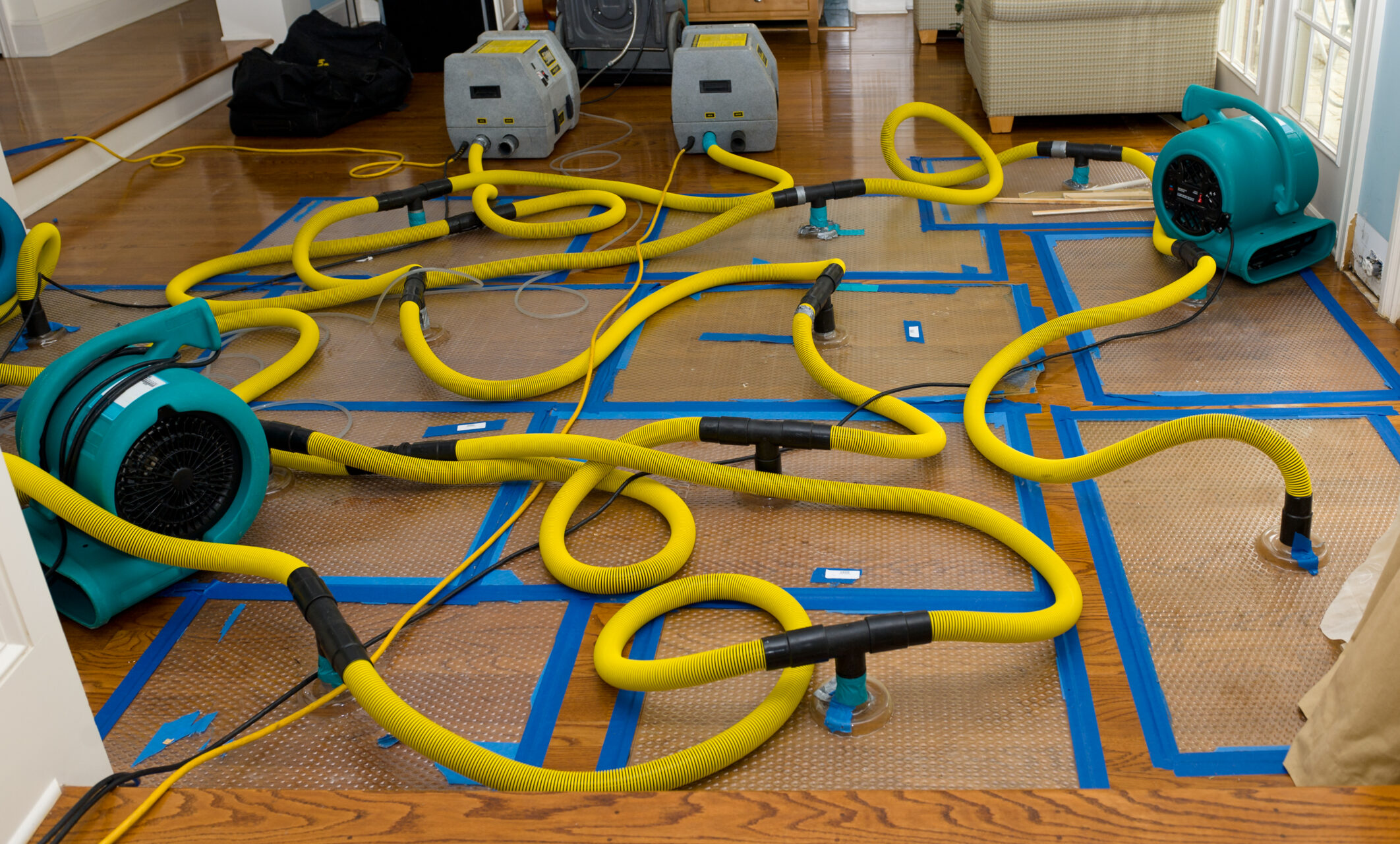
That may include removing standing water, removing wet materials that can’t be saved, setting up drying equipment, checking moisture levels, and documenting the damage for insurance purposes. Action Restoration’s insurance guide recommends contacting a professional as soon as possible for emergency mitigation, because the faster water is removed, the less likely damage is to occur.
In plain terms, mitigation is about stopping the mess from spreading.
If a pipe bursts, a water heater leaks, a toilet overflows, or storm water gets inside, you do not want to wait around and “see what happens.” Water can move behind walls, under flooring, into insulation, and into areas you may not see right away.
That’s why mitigation matters. It helps reduce the chance of secondary damage, mold growth, structural issues, and higher repair costs later.
Then, What Is Restoration?
Restoration comes after mitigation. Once the property is dry, cleaned, and safe, restoration focuses on putting things back together.
Depending on the extent of the damage, restoration may include drywall repairs, painting, flooring replacement, trim work, cabinet repairs, reconstruction, and odor removal. This is the part most people think of when they picture the home or business looking “normal” again.
Mitigation protects the property. Restoration rebuilds it.
So, when comparing water mitigation vs restoration, think of it this way:
Mitigation is the emergency response. Restoration is the repair and rebuild.
Do I Need Mitigation or Restoration?
In many water damage situations, you may need both.
For example, if a supply line breaks and floods part of your home, mitigation comes first. The water has to be extracted, the affected areas need to be dried properly, and moisture levels need to be monitored. Once that work is complete, restoration can begin.
If the damage is minor and everything dries without removing materials, you may only need mitigation. But if flooring, drywall, cabinets, or trim were damaged, restoration may also be needed.
A good restoration company should walk you through the difference between mitigation and restoration instead of leaving you guessing.
Why You Shouldn’t Skip Mitigation
It may be tempting to mop up the visible water, point a fan at the area, and hope for the best. We get it. Nobody wants a water damage situation to turn into a bigger project.
But water is sneaky.
Even when the surface looks dry, moisture can still be trapped underneath flooring, behind baseboards, inside walls, or in other hidden areas. If that moisture is not handled properly, it can lead to mold, odors, material breakdown, and more expensive repairs down the road.
Professional mitigation uses moisture meters, drying equipment, containment when needed, and proper documentation. That documentation is also important when working with insurance.
Where Insurance Fits In
Water damage can feel overwhelming, especially when you’re also trying to understand the insurance side of things.
A few smart first steps are to take photos, document damaged items, avoid throwing things away before they are recorded, and contact a professional quickly for emergency mitigation. Once you contact your insurance company, you can give your claim information to the restoration company so they can provide updates and documentation to your adjuster.
We know property damage is stressful. Clear communication, photos, moisture readings, estimates, and updates help make the process easier to follow.
The Big Difference Between Mitigation and Restoration
Here’s the easiest way to remember it:
Mitigation keeps things from getting worse.
Restoration gets things back to the way they should be.
If you’re dealing with active water, wet materials, damp smells, or moisture you are not sure about, you likely need mitigation first.
If the property has already been dried and now needs repairs, you are probably ready for restoration.
And if you’re unsure whether you need mitigation or restoration, it is better to ask sooner rather than later.
Call Action Restoration for Help
Water damage doesn’t need to be handled alone. Whether you need emergency water mitigation, full restoration, or help understanding the next step, Action Restoration is here to help homeowners and businesses across Middle Tennessee.
We respond quickly, document the work, coordinate with insurance when needed, and focus on restoring your property the right way.